
You show up every day for kids, families, and people in crisis. In schools, foster care, social work, first responders, and the faith community, the work is hard and it takes a lot out of you.
Our 8th Reclaiming Hope Conference is a day to reconnect with why you started. Hear powerful stories, connect with people who get it, and leave with practical tools and a full tank for the work ahead.
Your $45 registration includes breakfast, lunch, the opening session, 4 breakout sessions, resources and more. Certificates of Attendance available.
Reclaiming Hope is sponsored by Reclaimed Story and hosted at Pantano Christian Church, 1755 S. Houghton Rd, Tucson, AZ 85748.
Presented by Yalonda J. Brown, MSOL, CYC-P
People who serve others are often called to keep showing up through uncertainty, adversity, change, and sometimes heartbreak. Staying power is not simply enduring; it is knowing what keeps you grounded, makes you resilient, and what needs protecting so you can continue to lead with purpose.
In Heart-Led Staying Power, Yalonda Brown invites emerging and established leaders to explore the lessons that shape us, stories that strengthen us, and the values that keep us anchored when the work gets hard.
Through personal reflection, interactive scenarios, paired conversations, and practical Heart-Led tools, participants will explore five essential leadership questions:
What would I tell my younger self? What gives me staying power? What am I loyal to? How can I lead authentically? How does my story shape how I lead?
By the end of this session, participants will be able to:
Presented by Tamara Bolthouse, MA
A collaborative learning workshop for adults who work with children in any arena who want to know more about how to help a child grieve well.
Presented by Allan Stockellburg
Human First helps parents navigate the growing role of artificial intelligence in family life without fear or hype. Together, we will explore how AI can support learning, creativity, organization, and connection while recognizing when technology begins replacing important human experiences, relationships, or judgment. Participants will leave with practical questions and strategies for keeping people, relationships, and family values in the driver’s seat.
Presented by Sandi Cimino, BS & Amy Castellanos, BS, PMP
Transitions are among the most powerful, and most difficult, moments in a young person’s school experience. The move from elementary to middle school, and from middle school to high school, asks students to navigate new environments, new social dynamics, and new expectations, often while their brains and bodies are undergoing rapid developmental change. Research on school transitions consistently shows that these transitions are associated with dips in academic performance, self-esteem, and a sense of belonging.
Grounded in current brain science and social emotional research, this workshop gives participants knowledge and practical skills that support youth in understanding their own physical and psychological safety, building healthy relationships, and making positive contributions both in their families and in their community.
Presented by Maddy Little, LPC
Participants will identify warning signs of suicidal behavior, understand supportive steps for intervention, and walk away with tangible tools that support safety and meaningful engagements with youth, families, and others.
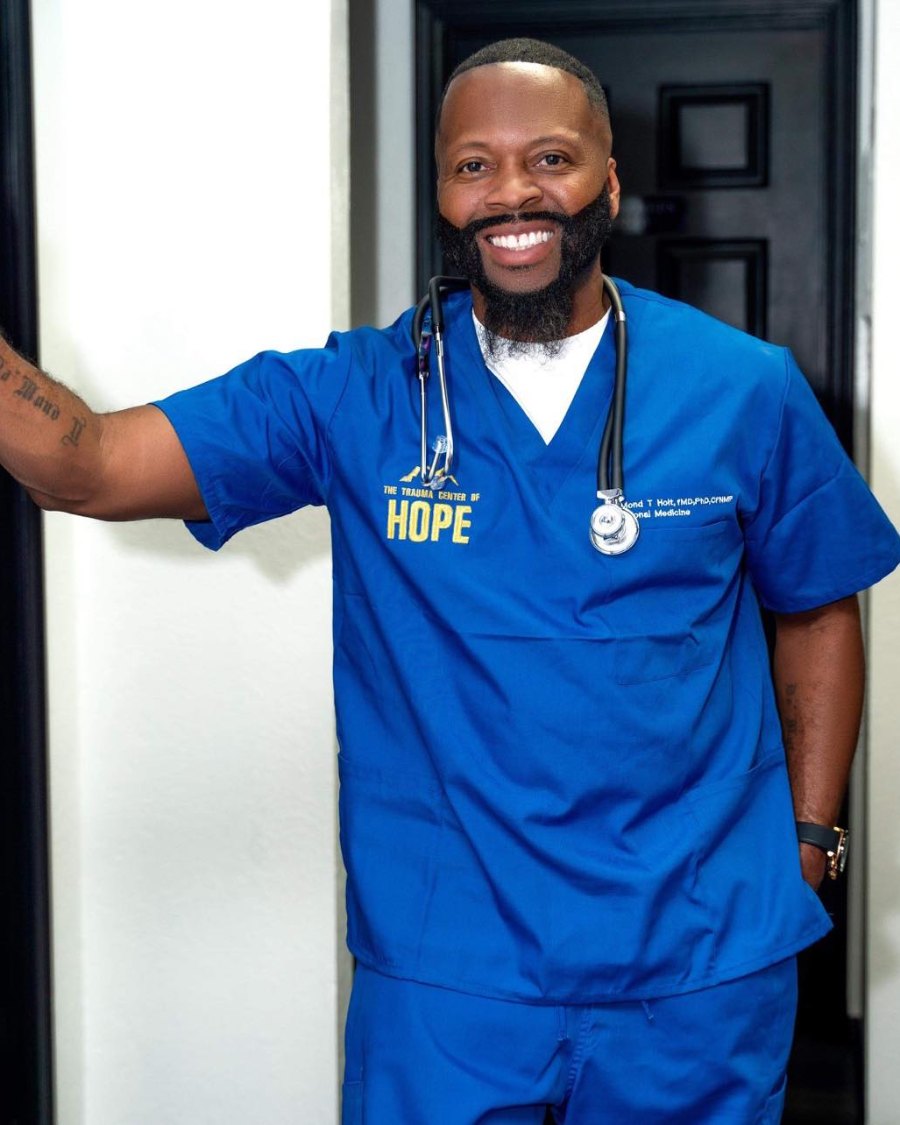
Presented by Dr. DaMond T. Holt
Many people have learned how to look healed without actually becoming healed. They go to work, lead organizations, raise families, serve others, achieve goals, smile for pictures, and tell everyone, I am fine, while privately carrying unresolved pain, rejection, grief, abandonment, betrayal, childhood adversity, chronic stress, and traumatic experiences.
This engaging, trauma-informed workshop is designed to help participants recognize the difference between managing an image and healing an injury.
The mask represents the behaviors, identities, accomplishments, defenses, and coping strategies people may use to conceal emotional pain. Some masks look like perfectionism. Others look like anger, people-pleasing, emotional withdrawal, excessive independence, overachievement, control, humor, workaholism, or constantly taking care of everyone except yourself.
A mask can help someone survive a difficult season, but survival strategies do not always remain healthy when the danger has passed.
This workshop invites participants to examine an important question:
Am I healing my trauma or have I simply become better at hiding it?
You can polish the mask and still be hurting underneath it. Participants are encouraged to identify patterns without shame or self-diagnosis and consider whether a behavior that once protected them may now be preventing connection, growth, or healing.
FROM HIDING TO HEALING
The purpose of the workshop is not simply to take off the mask. Removing defenses without developing healthier resources can leave people feeling exposed.
Presented by Noah Paul
As children grow, new communication challenges within families can arise. This interactive class is designed to help break down those barriers by supporting families in finding a new rhythm and tempo together. Through guided communication discovery using hand drums, participants will explore connection, listening and expression in a fun and engaging way. No percussion or musical experience is required.
Presented by Denisha Workizer
What do you say when someone shares something painful and you have no idea how to respond? Too often, we try to fix it, offer advice, change the subject, or avoid the conversation altogether.
In this interactive breakout, Denisha Workizer will equip you with practical tools to create a safe place for people who are hurting. You will learn how to be present, listen with compassion, ask meaningful questions, respond without minimizing someone’s pain, and offer hope without trying to fix their story. You will leave with simple, practical tools that will help you approach hard conversations with greater confidence and compassion.
Presented by Tamara Bolthouse, MA
Description coming soon.
Presented by Maddy Little, LPC
Participants will identify warning signs of escalated emotions and behaviors, explore supportive interventions, and learn tangible means for helping individuals in crisis.
Presented by Sandi Cimino, BS & Amy Castellanos, BS, PMP
Those who work with families and youth carry an invisible weight. Bearing witness to the impacts of adversity and trauma doesn’t just accumulate, it multiplies. Experiencing compassion fatigue and burnout isn’t a sign of weakness. It is the natural, neurological cost of doing deeply human work in deeply painful circumstances. Yet, those who do this work are rarely offered the same trauma-informed lens they are trained to extend to the families they serve. This workshop changes that.
Grounded in the same trauma-informed principles that guide best practices in the family and youth serving workforce, this session turns the lens inward. Participants will gain foundational understanding of how compassion fatigue and burnout show up in their brains, minds, and bodies, an understanding of what sustainable, evidence-informed strategies look like in practice, and the opportunity to cultivate personalized practices that work for their unique nervous system.
This is not a self-care checklist. It is a grounded, honest, and compassionate exploration of what it means to do this work over time – and how to keep doing it without losing yourself in it.
Presented by Dr. DaMond T. Holt
“You cannot permanently change the reflection without addressing the person standing in front of the mirror.” This is a transformative, trauma-informed workshop exploring the relationship between trauma, identity, self-image, emotional wellness, behavior, and resilience. Many people spend years trying to change their reflection without healing the person creating it. We change our appearance. We change relationships. We change careers. We change environments. We chase accomplishments. We pursue approval. We attempt to polish the image other people see. But when unresolved wounds remain underneath those changes, we may continue seeing ourselves through the lens of what happened to us. The central message of this workshop is simple: If you want to change the reflection, begin by healing the person in the mirror.
THE MIRROR DOESN’T CREATE THE IMAGE
A mirror does not create what it reflects. It reveals what is standing before it. When the person begins developing healthier beliefs, coping strategies, relationships, boundaries, and resilience, the reflection changes. The goal is not to create a perfect reflection. The goal is to develop a healthier person.
Presented by Deborah Murphy
When someone is overwhelmed by fear, anxiety, or crisis, even the most caring person can struggle to know what to say or do. How can we respond in ways that help people feel safe, heard, and supported rather than unintentionally adding to their distress? In this interactive breakout session, Deborah will explore what happens in our bodies when we become overwhelmed, how our own responses can affect those we are helping, and why connection matters before problem-solving. Through practical tools, real-life examples, and guided role-play, participants will practice recognizing signs of distress, regulating their own responses, listening with compassion, and helping others take their next step. You’ll leave with simple, trauma-informed tools you can begin using immediately in your conversations with people facing difficult circumstance.
Presented by Denisha Workizer
Have you ever wondered: Does what I do really matter? Am I making a difference? Is there more for me than this?
According to Mike Foster, author of the Primal Questions framework, one of the core questions we may carry through life is: Do I have purpose? When the answer feels uncertain, that question can quietly influence how we work, lead, serve, make decisions, relate to others, and even how we measure our worth.
In this engaging breakout, Denisha Workizer, a Certified Primal Question Coach and faith-based life and leadership coach, will explore how the question Do I have purpose? Questions can show up in everyday life, especially when we feel overlooked, stuck, unfulfilled, or unsure of what comes next. Using Mike Foster’s Primal Questions framework, we will uncover some of the patterns that can develop when we question our purpose and discover a healthier way to understand the significance of who we are and how God has uniquely wired us.
You will walk away with greater self-awareness, practical insight, and a new lens for recognizing how the question beneath the question may be shaping your life.
Presented by Noah Paul
Fathers are often physically present in families but professionally overlooked in services. This energetic and practical session explores how home visitors can better engage dads, recognize father-specific parenting strengths, and create father-inclusive interactions that strengthen family outcomes, parenting relationships, and child development through intentional and welcoming practice.
Presented by Sandi Cimino, BS & Amy Castellanos, BS, PMP
Felt safety is more than a welcoming environment. It is the relational and organizational infrastructure that allows people to participate, learn, ask for help, give feedback, navigate stress, and remain connected during complexity. In human-centered work, people are often expected to perform, care, decide, and collaborate in environments where the nervous system is under constant pressure. When safety is inconsistent, unclear, or dependent on individual personalities, teams can become reactive, guarded, avoidant, or overwhelmed. Participants leave with practical strategies for designing environments and processes that help people feel more grounded, oriented, and able to engage with clarity and dignity.
Presented by Sarah Reed, MA, CTS
If you have ever worked with individuals who have experienced suffering of any kind, you may have heard questions like: Why do bad things happen to good people? Or, why did this happen to me? Perhaps YOU have even asked this question before. This workshop looks at four ways of understanding suffering from a Biblical, Christian lens. The workshop will also cover what to say – and not to say – to those who are suffering in order to provide support and avoid making it worse.
Presented by Maddy Little, LPC
People are wired for safety and connection. When we experience, or perceive, a lack of safety, we depend on trusting relationships to help us move from dysregulation to healthy regulation. Through this breakout, participants will define co-regulation, practice the five indicators of co-regulation, and understand the power of co-regulation in building trusting relationships.
Presented by Maddy Little, LPC
Distressing or disturbing experiences can have a lasting negative effect on a person, their emotions, behaviors, and beliefs about themselves and the world around them. But these experiences don’t define them and don’t determine the outcome of one’s life. There is always hope for healing. Through this breakout, participants will define trauma and resilience, learn and practice two resilience-building skills, and explore the power of choice in the face of adversity.
Presented by Sarah Reed, MA, CTS
Repeatedly over the past twenty years, studies have shown that the more powerful predictor of healing following trauma is belonging to a community of support. In this workshop, we will examine what healing means, as well as the essence of belonging and of community. We will do an interactive activity exploring our own sense of belonging, and we will discuss strategies to help others find their community in order to find true healing.
Presented by Deborah Murphy
Have you ever wondered why people respond to situations the way they do? Sometimes what looks like anger, resistance, withdrawal, or difficult behavior is actually a response to something much deeper. In this breakout session, we’ll explore the foundations of trauma-informed care and how understanding the impact of trauma can change the way we see, interact with, and support others. Together, we’ll learn how trauma affects the brain, body, emotions, and relationships, and why creating environments of safety, trust, and connection is so important. Whether you’re a volunteer, educator, caregiver, ministry leader, or simply someone who wants to better love and serve others, this session will give you practical tools to begin approaching people with greater understanding, compassion, and intentionality.
Presented by Lisa Hansen
Shame tells us to hide. Fear of rejection can keep us from sharing our story or asking for help. Join Lisa Hansen to explore how toxic shame isolates us and how safe connections can help us recognize our worth and pursue our purpose. Discover practical ways to recognize manipulation, build healthy relationships, and create spaces where young people feel seen, heard, and valued. What happened to us does not define our worth or determine our future.
Presented by Sandi Cimino, BS & Amy Castellanos, BS, PMP
Those who work with families and youth carry an invisible weight. Bearing witness to the impacts of adversity and trauma doesn’t just accumulate, it multiplies. Experiencing compassion fatigue and burnout isn’t a sign of weakness. It is the natural, neurological cost of doing deeply human work in deeply painful circumstances. Yet, those who do this work are rarely offered the same trauma-informed lens they are trained to extend to the families they serve. This workshop changes that.
Grounded in the same trauma-informed principles that guide best practices in the family and youth serving workforce, this session turns the lens inward. Participants will gain foundational understanding of how compassion fatigue and burnout show up in their brains, minds, and bodies, an understanding of what sustainable, evidence-informed strategies look like in practice, and the opportunity to cultivate personalized practices that work for their unique nervous system.
This is not a self-care checklist. It is a grounded, honest, and compassionate exploration of what it means to do this work over time – and how to keep doing it without losing yourself in it.
Presented by Dale Hodgeson
Where did I come from? How did I get there? And where am I going? These are the questions we need to ask ourselves in order to understand how our story of trauma impacts our life past, present, and future. If we desire to show up to help others heal – we have to understand our own story. Healing of our own story can only take place when our stories are told within a safe community. A place where our shame is met with grace, honor and dignity.
Get to know the people leading this year’s breakout sessions.
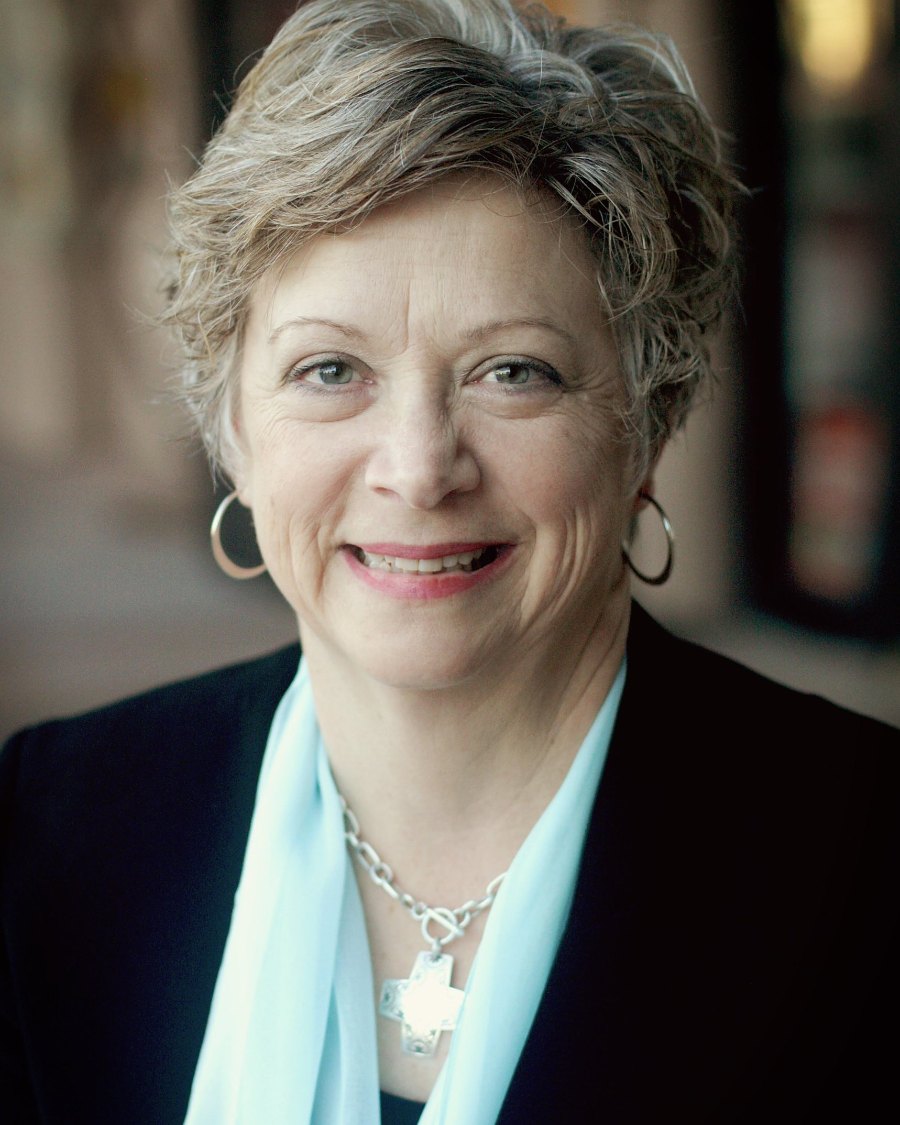
MA
Helping Children Grieve
Breakout 1 | 9:45 – 11:00 AM
Differentiating Normal, Traumatic, and Complicated Grief
Breakout 2 | 11:10 AM – 12:25 PM
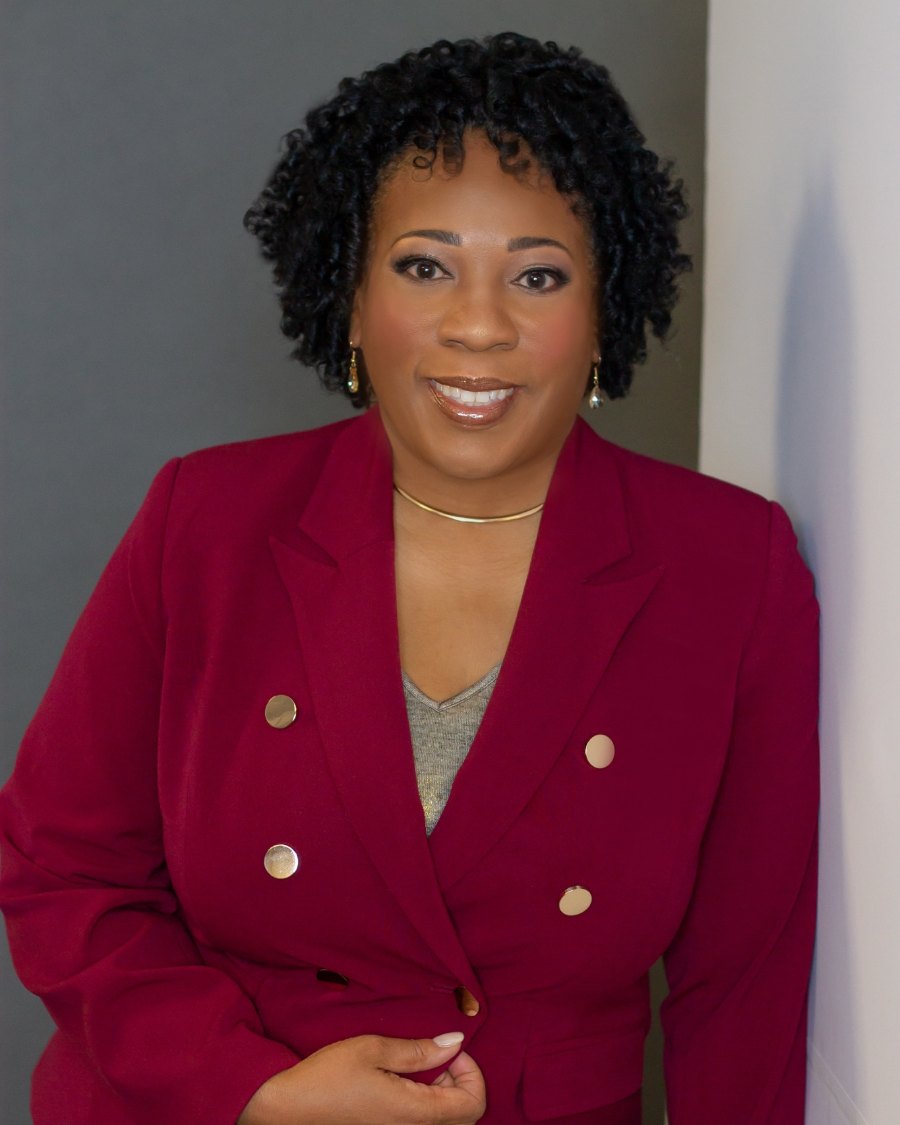
MSOL, CYC-P
Heart-Led Staying Power: Leading from Your Core When the Work Gets Hard
Breakout 1 | 9:45 – 11:00 AM

BS, PMP
Ready to Rise: Navigating Transitions with Confidence
Breakout 1 | 9:45 – 11:00 AM
with Sandi Cimino
Safe to Serve: Building Sustainable Capacity
Breakout 2 | 11:10 AM – 12:25 PM
with Sandi Cimino
More Than a Warm Hello: Felt Safety as Infrastructure
Breakout 3 | 1:20 – 2:35 PM
with Sandi Cimino
Safe to Serve: Building Sustainable Capacity
Breakout 4 | 2:45 – 4:00 PM
with Sandi Cimino
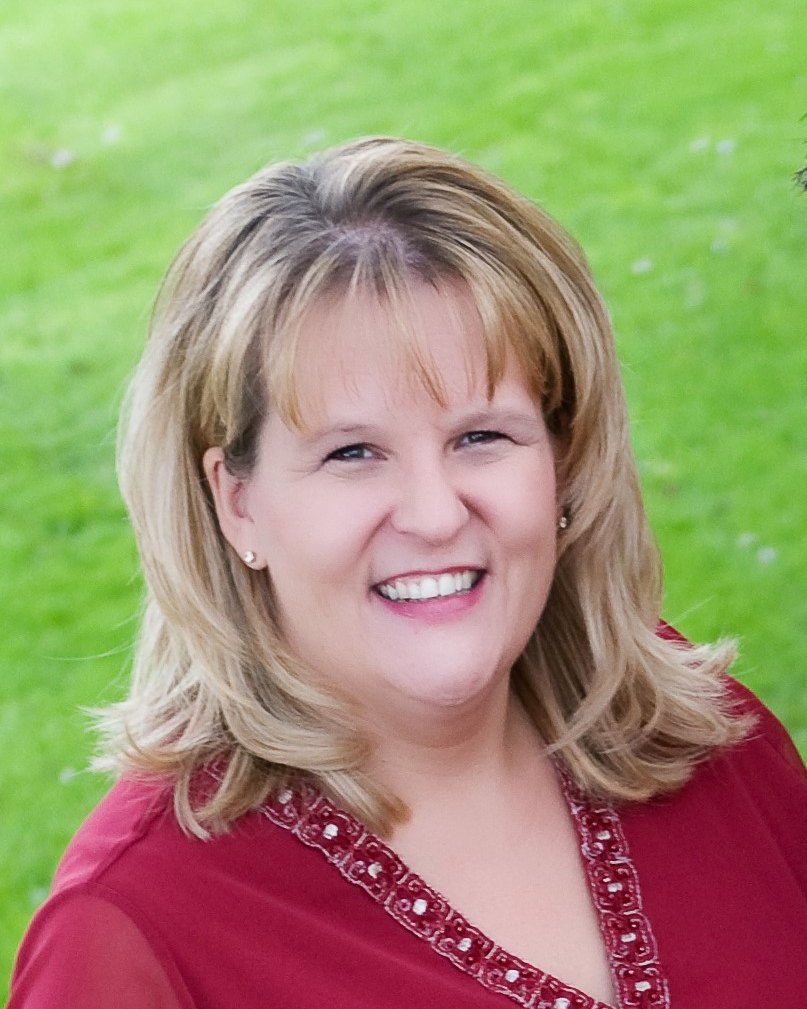
BS
Ready to Rise: Navigating Transitions with Confidence
Breakout 1 | 9:45 – 11:00 AM
with Amy Castellanos
Safe to Serve: Building Sustainable Capacity
Breakout 2 | 11:10 AM – 12:25 PM
with Amy Castellanos
More Than a Warm Hello: Felt Safety as Infrastructure
Breakout 3 | 1:20 – 2:35 PM
with Amy Castellanos
Safe to Serve: Building Sustainable Capacity
Breakout 4 | 2:45 – 4:00 PM
with Amy Castellanos
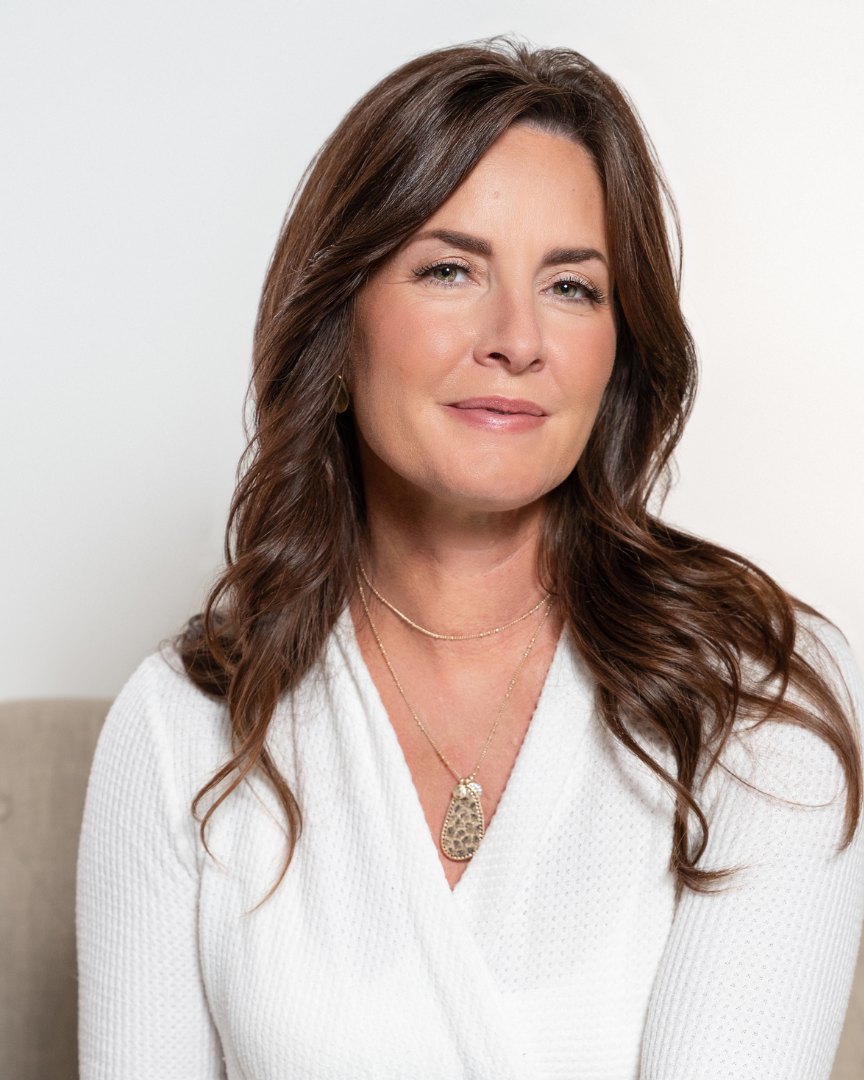
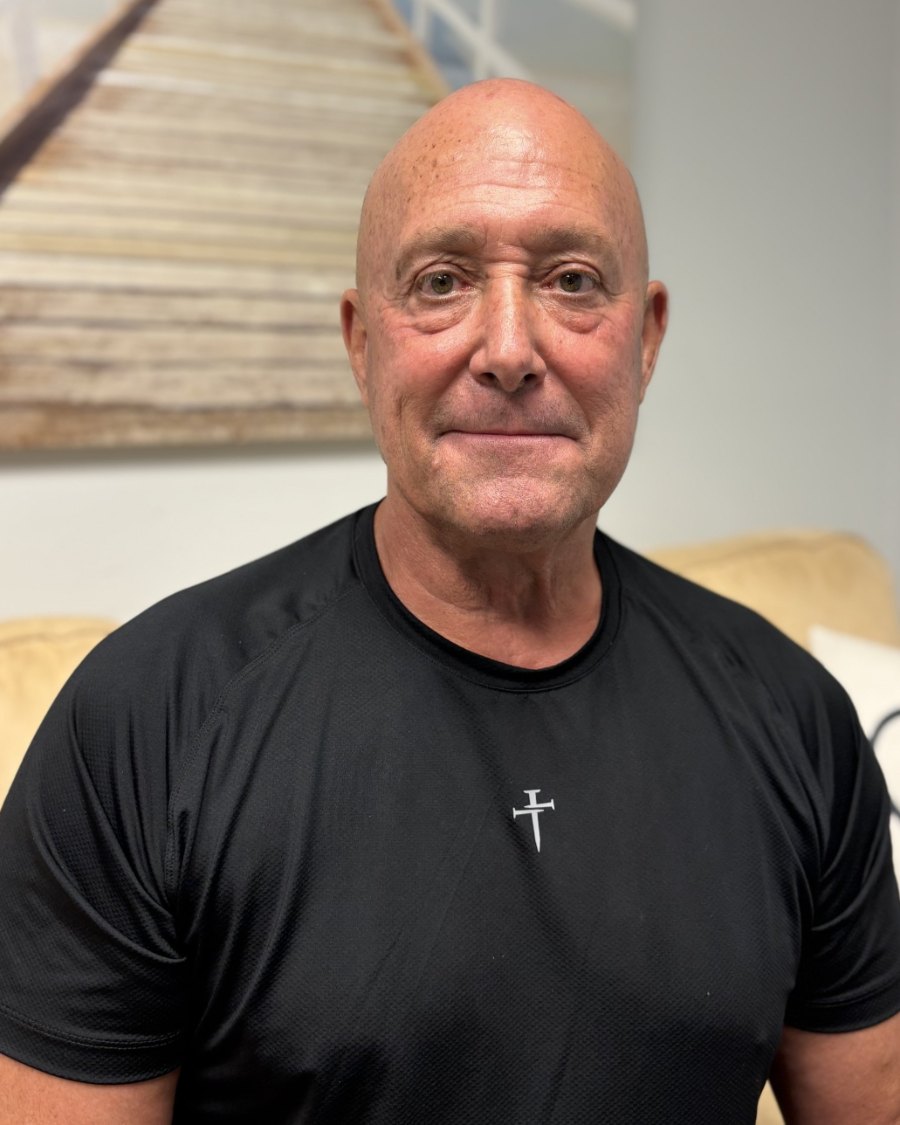
Presenter
Protecting Your Purpose
Breakout 4 | 2:45 – 4:00 PM
Presenter
Understanding Your Story of Trauma
Breakout 4 | 2:45 – 4:00 PM
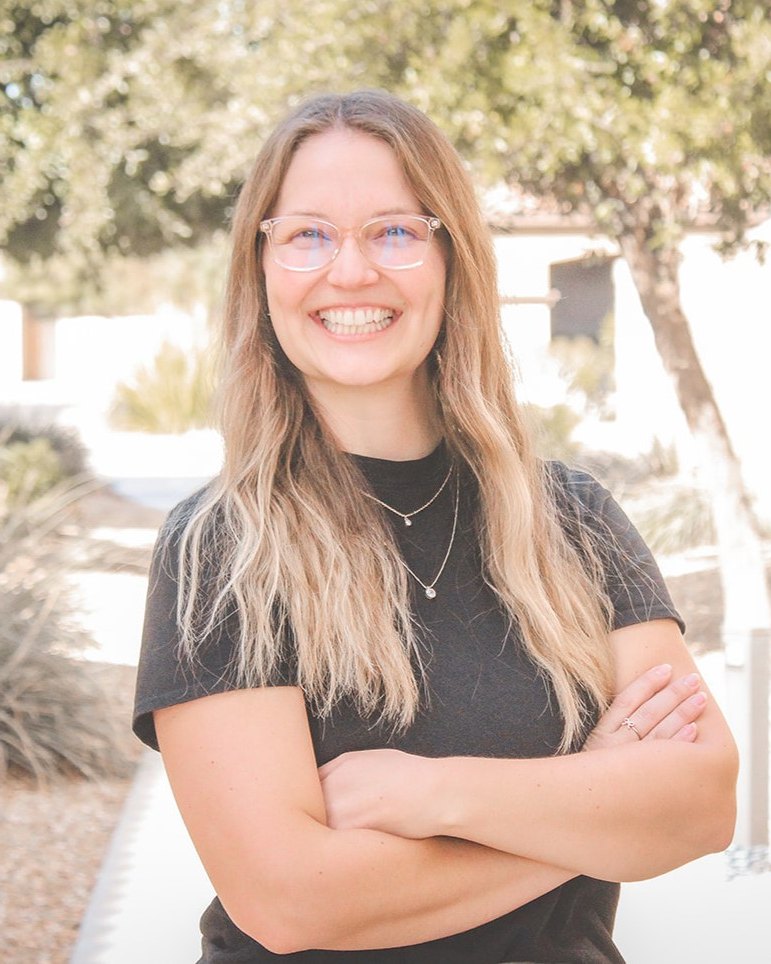
Presenter
Take Off the Mask: Stop Polishing and Hiding Your Trauma
Breakout 1 | 9:45 – 11:00 AM
The Man in the Mirror: The Image’s Reflection Is Healthier When We Heal the Person
Breakout 2 | 11:10 AM – 12:25 PM
LPC
Suicide Awareness and Prevention
Breakout 1 | 9:45 – 11:00 AM
De-escalation and Crisis Management
Breakout 2 | 11:10 AM – 12:25 PM
The Power of Co-Regulation
Breakout 3 | 1:20 – 2:35 PM
Building Resilience
Breakout 4 | 2:45 – 4:00 PM

Presenter
Caring for Those in Crisis: Tools for TIC and Compassionate Communication
Breakout 3 | 1:20 – 2:35 PM
Introduction to Trauma-Informed Care: Understanding Trauma, Creating Safety, and Building Connection
Breakout 4 | 2:45 – 4:00 PM
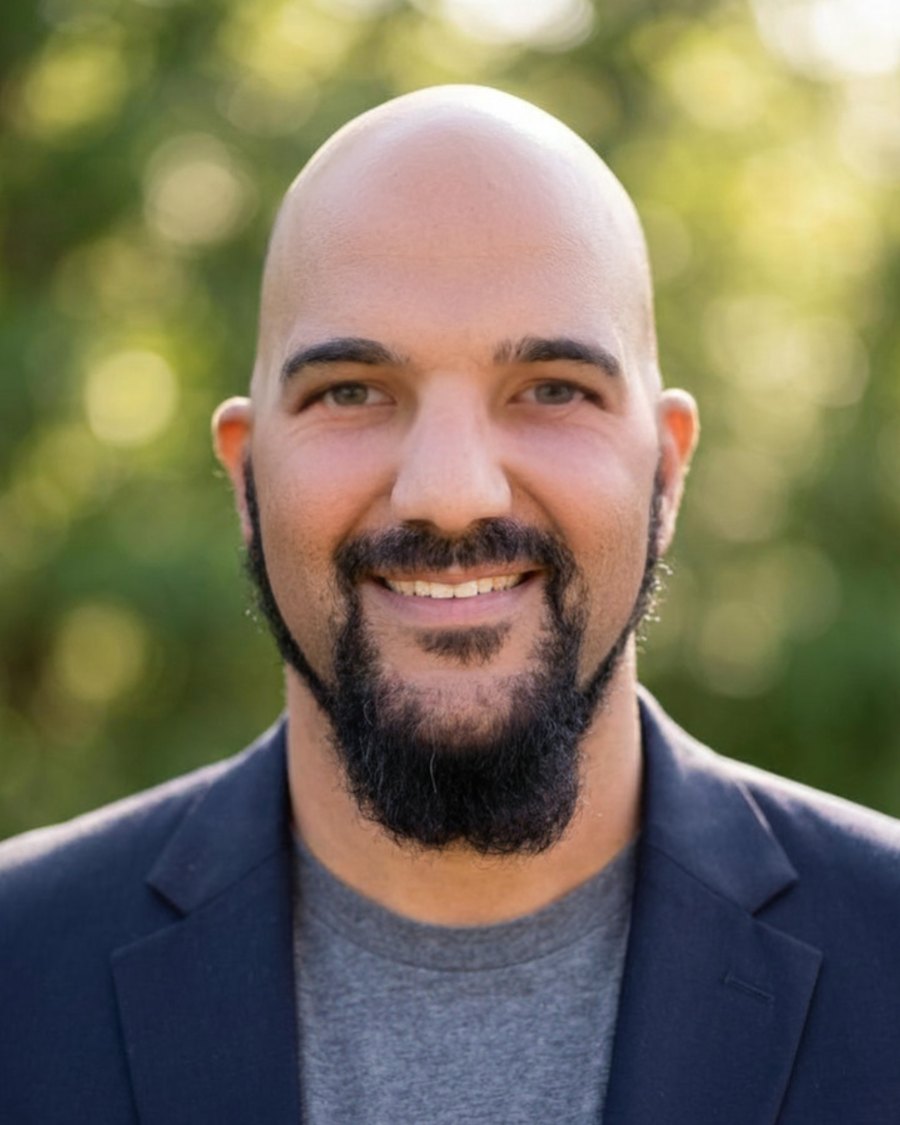
Presenter
Bonding Beats: Family Connection through Music and Drumming
Breakout 2 | 11:10 AM – 12:25 PM
I See Dad People: Valuing Fathers in Family Support Services
Breakout 3 | 1:20 – 2:35 PM
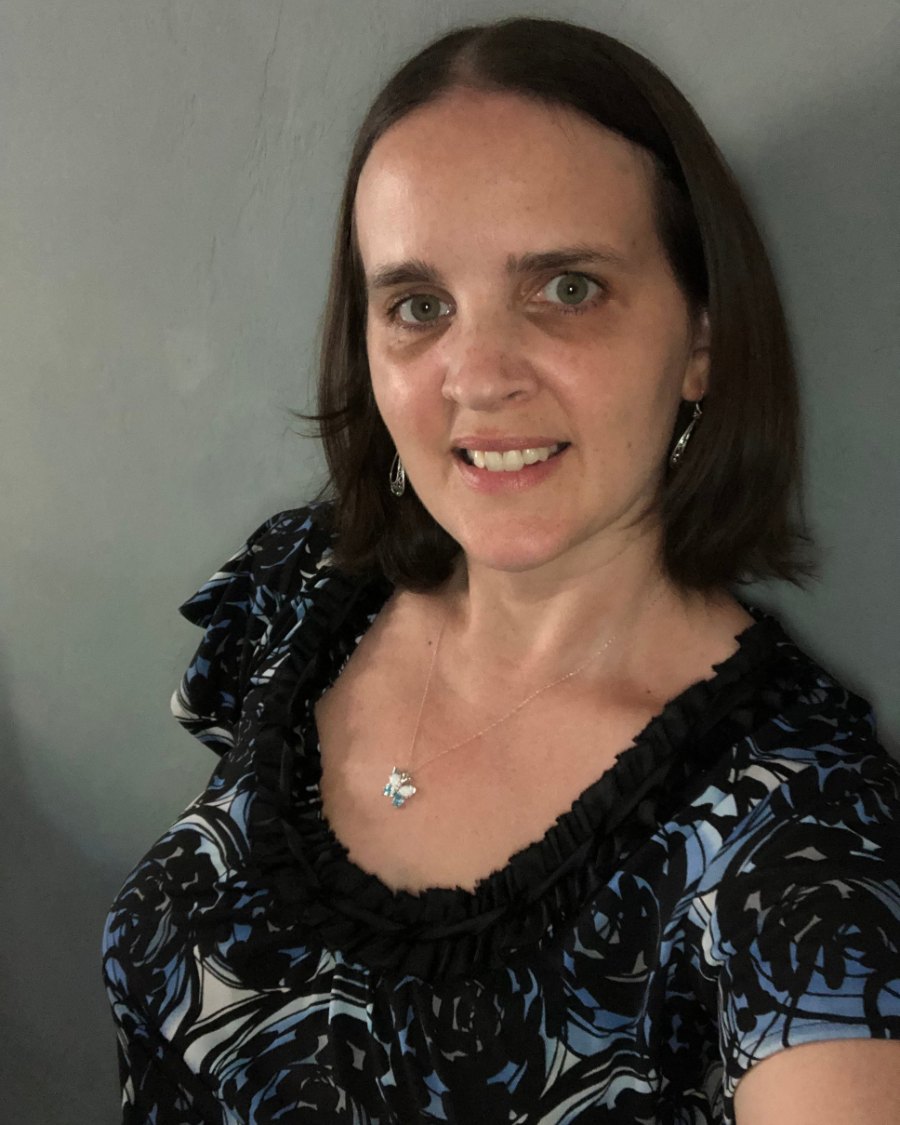
MA, CTS
The Meaning of Suffering
Breakout 3 | 1:20 – 2:35 PM
Healing Happens in Community
Breakout 4 | 2:45 – 4:00 PM
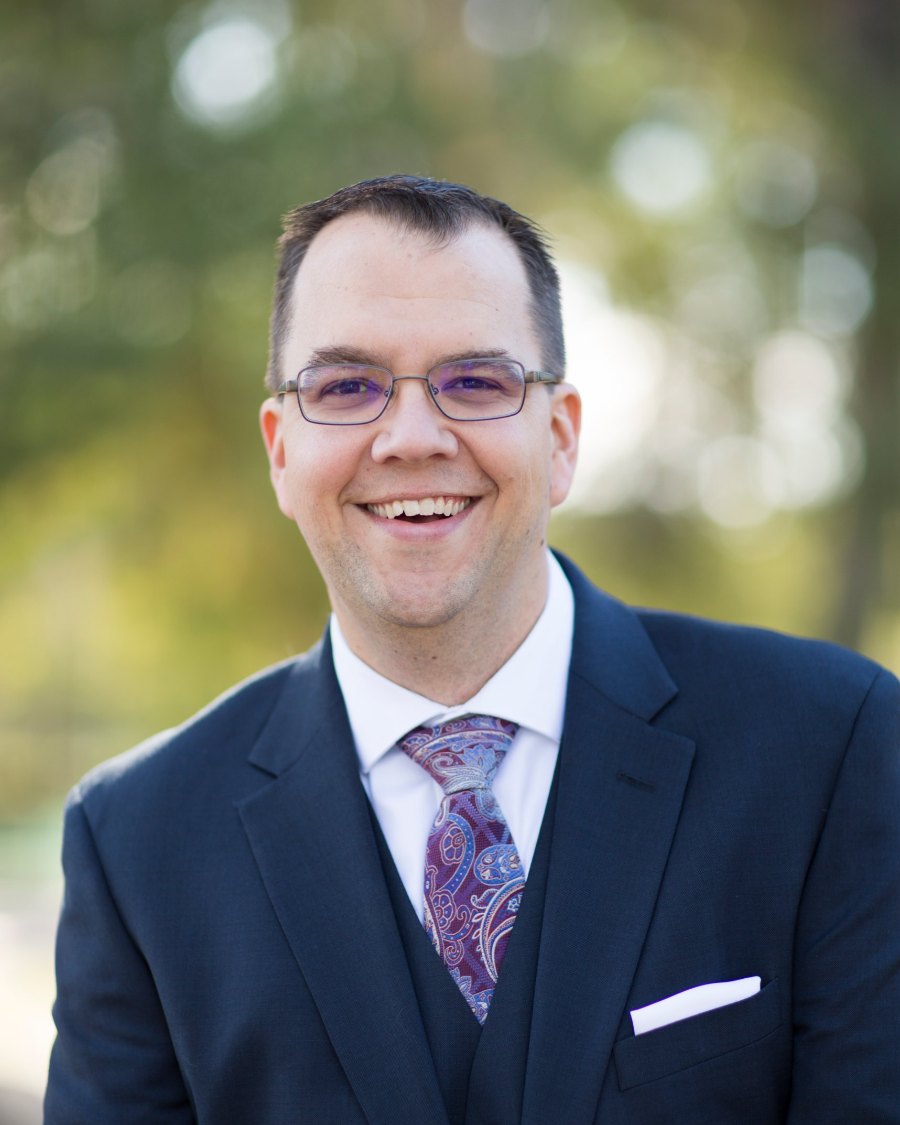
Presenter
Human First: Parenting in an AI World
Breakout 1 | 9:45 – 11:00 AM
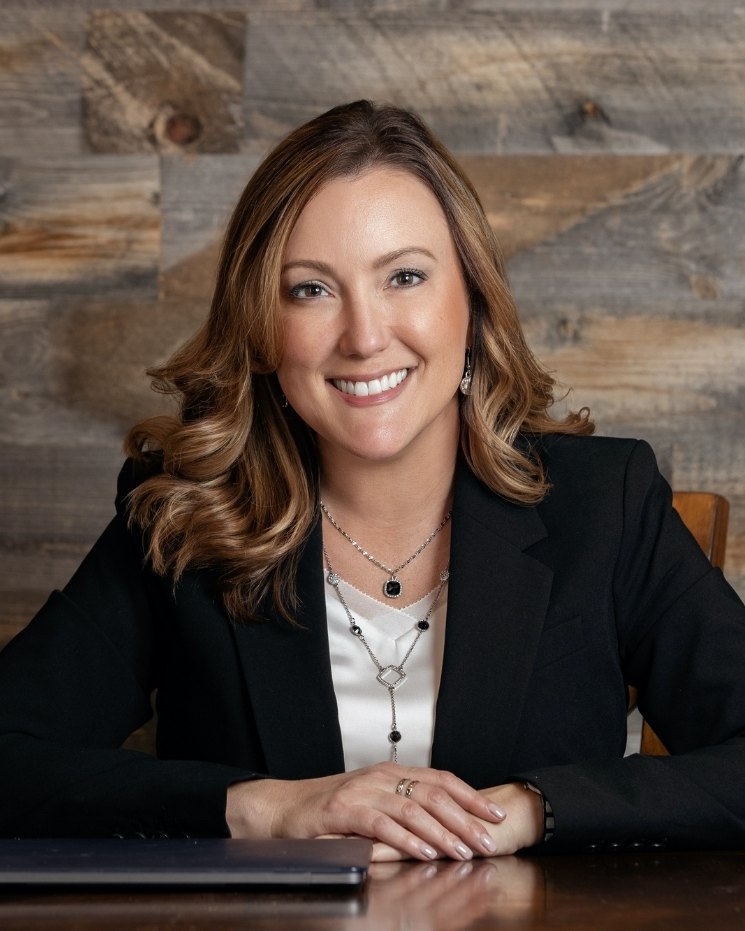
Presenter
Creating Safe Places: Compassionate Communication When People Are Hurting
Breakout 2 | 11:10 AM – 12:25 PM
Do I Have Purpose? Understanding the Question Beneath the Question
Breakout 3 | 1:20 – 2:35 PM
Breakfast and lunch included. Certificates of Attendance available.